


The 30-Second Spring Horse Health Summary
Spring brings lush grass and new risks. To keep your horse healthy this season, focus on:
- Laminitis Prevention: Monitor "spring grass" intake and use grazing muzzles if needed.
- Poisonous Plant ID: Scan paddocks for Ragwort, Bracken Fern, and Foxglove.
- Joint Support: Use EQU StreamZ magnetic bands for 24/7 non-heating recovery—perfect for increased spring exercise.
- Routine Care: Schedule your spring vaccinations, dental checks, and gradual fitness programmes.
Spring in the equestrian world is a bit like a double-edged sword. On one hand, the days are getting longer, the birds are singing, and you can finally feel your fingers and toes again during a morning mucking out. On the other hand, your horse currently looks like a moth-eaten teddy bear undergoing a mid-life crisis, and the fields have transformed into a lush, emerald-green trap designed to test the structural integrity of your horse’s metabolic system. It is the season of "the flush," and if you aren't prepared, your horse's health could take a hit just as the competition season begins to loom on the horizon.
At StreamZ Global, we believe that seasonal transitions shouldn’t be a source of anxiety. We’ve spent years perfecting our non-invasive, non-thermal technology to ensure that when the weather shifts, your horse’s support system doesn't have to. While the "Spring Flush" brings the dreaded risk of equine laminitis and those frustrating cases of horse leg filling, it also offers the perfect opportunity to reset your management routine.
This article has been written to provide you with the tools to navigate these changes naturally, safely, and: most importantly: without the risk of overheating.
✔ Repair when something goes wrong.
✔ Prevent problems before they occur.
✔ Perfect their daily routines.
Transitioning your horse's healthcare into Spring time
The transition from a dormant winter paddock to a sugar-rich spring pasture is a biological rollercoaster. As an owner, your job is to be the steady hand on the brake.
This checklist is designed to help you tick off the essentials, from veterinary MOTs to the specific nuances of magnetic therapy for horses. We aren't just looking at the surface-level shine of a groomed coat; we’re diving into the hoof health, the internal metabolic balance, and the recovery technology that keeps your equine partner sound and happy as the sunshine starts to return.
1. Navigating the "Green Monster": Managing Equine Laminitis
The "Spring Flush" is essentially the horse world’s version of an all-you-can-eat candy buffet. That vibrant, fast-growing grass is packed with non-structural carbohydrates (NSCs) like fructans, which are the primary culprits behind equine laminitis.

Laminitis is a devastating condition where the sensitive laminae: the tissues that bond the hoof wall to the pedal bone: become inflamed. In severe cases, this bond fails, leading to the rotation or sinking of the pedal bone. Spring is the peak season for this, especially for "easy keepers" or those prone to Equine Metabolic Syndrome (EMS).
Keen to learn more about Equine Laminitis? Read our article on Equine Laminitis.
Your Spring Action Plan:
- Gradual Turnout: Start with 20 minutes of grazing and increase by 10-15 minutes every few days.
- Muzzle Up: If your horse is a "vacuum" in the field, a grazing muzzle is a kind way to let them socialise without overindulging.
- Timing is Everything: Fructan levels are often lowest in the very early morning and highest after a sunny day followed by a cold night.
- Monitor the Pulse: Learn how to check for a digital pulse. A strong, bounding pulse is a red flag that requires an immediate call to the vet.

2. The Hoof Health MOT: Prepping the Foundations
Winter mud is notorious for hiding a multitude of sins. Between thrush, abscesses, and softened soles, your horse's feet have likely taken a beating. As the ground dries out (and then inevitably gets wet again), the hooves undergo significant stress.
Ensuring a healthy horse hoof is paramount before you increase your training intensity. If you’ve pulled shoes for the winter, now is the time to discuss a re-shoeing schedule with your farrier or ensure your barefoot trim is optimised for the harder spring tracks.
Maintaining hoof health isn't just about the trim; it's about internal support. High sugar intake from spring grass can lead to low-grade hoof sensitivity, even if it doesn't manifest as full-blown laminitis.

3. Addressing "Stocking Up" and Horse Leg Filling
Have you noticed your horse’s legs looking a bit "doughy" after standing in the stable overnight? This is often referred to as horse leg filling or "stocking up." In the spring, this can be exacerbated by the change in diet and the shift in activity levels.
Leg filling is essentially a form of edema: fluid pooling in the lower limbs due to a lack of movement or a minor inflammatory response. While many owners reach for traditional magnetic horse boots to "get the blood moving," there is a significant catch during the warmer months.
Traditional magnets, like those found in products from competitors, work by creating a static magnetic field which generates a thermal reaction - heat. In the winter, this might not be an issue. However, as the sun comes out in the spring, wrapping a horse's leg in neoprene and heat-generating magnets can lead to overheating of the delicate tendons.
This is where EQU StreamZ magnetic horse bands differ. Our technology uses 360-degree resonance therapy which does not generate heat. This means you can manage leg filling 24/7, in the stable or the field, without worrying about "cooking" the legs as the afternoon temperature rises.
4. Vaccinations & Preventative Care: Your “Spring Passport” (UK Edition)
Spring is when your calendar suddenly looks like a festival line-up: farrier, physio, lessons, shows, more turnout time… and then you realise your horse’s vaccines are somewhere on a crumpled card in the glovebox.
Don’t wait for a problem to force your hand—get the preventative basics nailed early, especially if you’re travelling, competing, or bringing new horses onto the yard.
Core vaccinations to discuss with your vet (and why they matter)
- Tetanus: This is the non-negotiable one. Tetanus spores live in soil and can enter through tiny punctures (think: a hoof abscess tract, a cut or wound from a wire scratch, a nail). It’s rare but deadly—staying up to date is simple protection.
- Equine Influenza (Flu): Highly contagious and show-stopping (literally—many venues require proof). Flu spreads fast anywhere horses mix: lessons, clinics, transport stops, shared yards.
- EHV (Equine Herpesvirus): A family of viruses linked to respiratory illness and—importantly—neurological disease (EHM) and pregnancy loss in broodmares. Your vet will advise based on local risk, travel, and whether you’re around pregnant mares or busy competition circuits.
Your practical “preventative care” add-ons (the stuff that saves you later)
- Dental check: Sharp points, hooks, or uneven wear can mean slow eating, dropping feed, head tossing, and weight loss. It also makes the spring forage transition harder because chewing efficiency really matters.
- Baseline vitals + body condition: Weight tape, body condition score, photos from both sides. It’s nerdy… and incredibly useful if spring grass starts changing your horse faster than you’d like.
- Travel/show biosecurity: Don’t share water buckets, disinfect bits/boots, and treat every show as a mild germ festival.

5. Parasite Control (Fecal Egg Counts): Smarter Than “Blind Worming”
Spring is prime time to be strategic about parasites—because worm burdens can climb quietly while your horse looks totally fine. The goal isn’t “worm everything, always.” The goal is targeted control that protects your horse and helps prevent anthelmintic resistance (when worms stop responding to dewormers).
The spring plan most vets like (adapt for your region)
- Fecal Egg Count (FEC): A lab test that measures parasite eggs per gram of manure—basically a reality check on whether your horse is a low, medium, or high shedder.
- Treat based on results: Your vet will recommend if treatment is needed and what class of product makes sense.
- Re-test after treatment (if advised): Sometimes used as a reduction test to see if the product is working properly.
- Don’t forget tapeworm + encysted larvae timing: These don’t always show clearly on a standard FEC. Your vet will advise based on season, local risk, and your horse’s history.
Quick management wins (less chemical reliance, better pasture hygiene)
- Pick up droppings regularly (yes, it’s annoying; yes, it works).
- Avoid overstocking paddocks.
- Rotate grazing if possible and don’t rely on “it looks clean” as a parasite plan.

6. Insects & Skin Issues: Sweet Itch, Ticks, and the “Why Are You Rubbing on That?!” Season
The "Great Spring Shed" is a test of any equestrian's patience (and the capacity of their washing machine). However, grooming is about more than just aesthetics—it’s your early warning system.
As the winter coat falls away, you might discover hidden issues like rain scald, sweet itch, or minor fungal infections that were lurking under the fluff.
Sweet itch (midge allergy) – get ahead of it
Sweet itch is an allergic reaction to bites from Culicoides midges. Once the itch-scratch cycle kicks off, it can snowball fast.
- Start prevention early: Sweet itch rugs, fly masks, topical barriers, and stable during peak midge times (dawn/dusk) before your horse starts rubbing.
- Check typical hot-spots: Mane crest, tail head, belly line, withers.
- Support the skin barrier: Your vet can advise on topical options and whether antihistamines or other interventions make sense for your horse.
Ticks (and why “small bumps” deserve respect)
Ticks can hitch a ride as grass and bush growth ramps up. They’re not just gross—they can cause local irritation, secondary skin infection, and in some regions transmit tick-borne disease.
- Hands-on checks after turnout/hacking: Under the jaw, between front legs, groin, under mane, tail dock.
- Remove correctly: Use a tick tool, steady pull, and keep the area clean. If you’re unsure, ask your vet—improper removal can leave mouthparts behind and inflame the skin.
- Monitor afterwards: Heat, swelling, discharge, or lethargy = vet call.
Your grooming “scan” (quick, daily, effective)
- Check for lumps and bumps: Run your hands over every inch. Look for splints or early signs of tendonitis.
- Look for crusts and scabs: Especially along the back, girth area, and lower legs after wet weather.
- Keep kit clean: Dirty brushes can keep reinfecting skin (the equestrian version of reusing a grimy face cloth).
7. Spring Grazing Risks: Laminitis and Colic (Because Grass Has a Dark Side)
Yes, spring grass is gorgeous. It’s also a rapid dietary change disguised as a wholesome green carpet. The two big spring grazing risks you want on your radar are laminitis and colic.
Laminitis refresher (the “sugar spike” problem)
Spring pasture can be high in non-structural carbohydrates (NSCs)—mainly sugars and fructans that can overload a horse’s system, especially in:
- easy keepers
- ponies/native types
- horses with EMS (Equine Metabolic Syndrome)
- horses with a laminitis history
Use the strategies in Section 1 (gradual turnout, muzzles, timing turnout, digital pulse checks) and keep your vet/farrier in the loop if your horse is high risk.
Colic risk in spring (what changes and why)
Colic simply means abdominal pain, but spring increases risk because the gut is adapting to new forage and management shifts.
Common spring triggers include:
- Sudden diet change: Moving from hay-heavy winter forage to rich grass too quickly can disrupt the hindgut microbiome (the community of “good” fibre-digesting microbes).
- High moisture + high sugar grass: Can ferment differently and increase gas production in some horses.
- Sand ingestion (regional): In some areas, grazing very short grass (especially on sandy or well-worn gateways) can mean more sand intake—worth discussing with your vet if it’s a known local issue.
- More time out, more excitement: Changes in routine, travel, and dehydration can all play a role.
Colic early signs to take seriously:
- pawing, looking at the flank, repeatedly lying down/getting up
- reduced appetite, fewer droppings
- dullness, stretching as if to urinate If you suspect colic, call your vet promptly—don’t “wait and see” while it escalates.

8. Poisonous Plants to Watch For (UK Shortlist)
Spring growth is not just grass—it’s weeds, seedlings, hedge clippings, and “mystery plants” that pop up right where your horse likes to snack. If you only do one thing this week: walk your paddock edges and fence lines.
Here are key offenders to know:
Ragwort (UK and beyond)
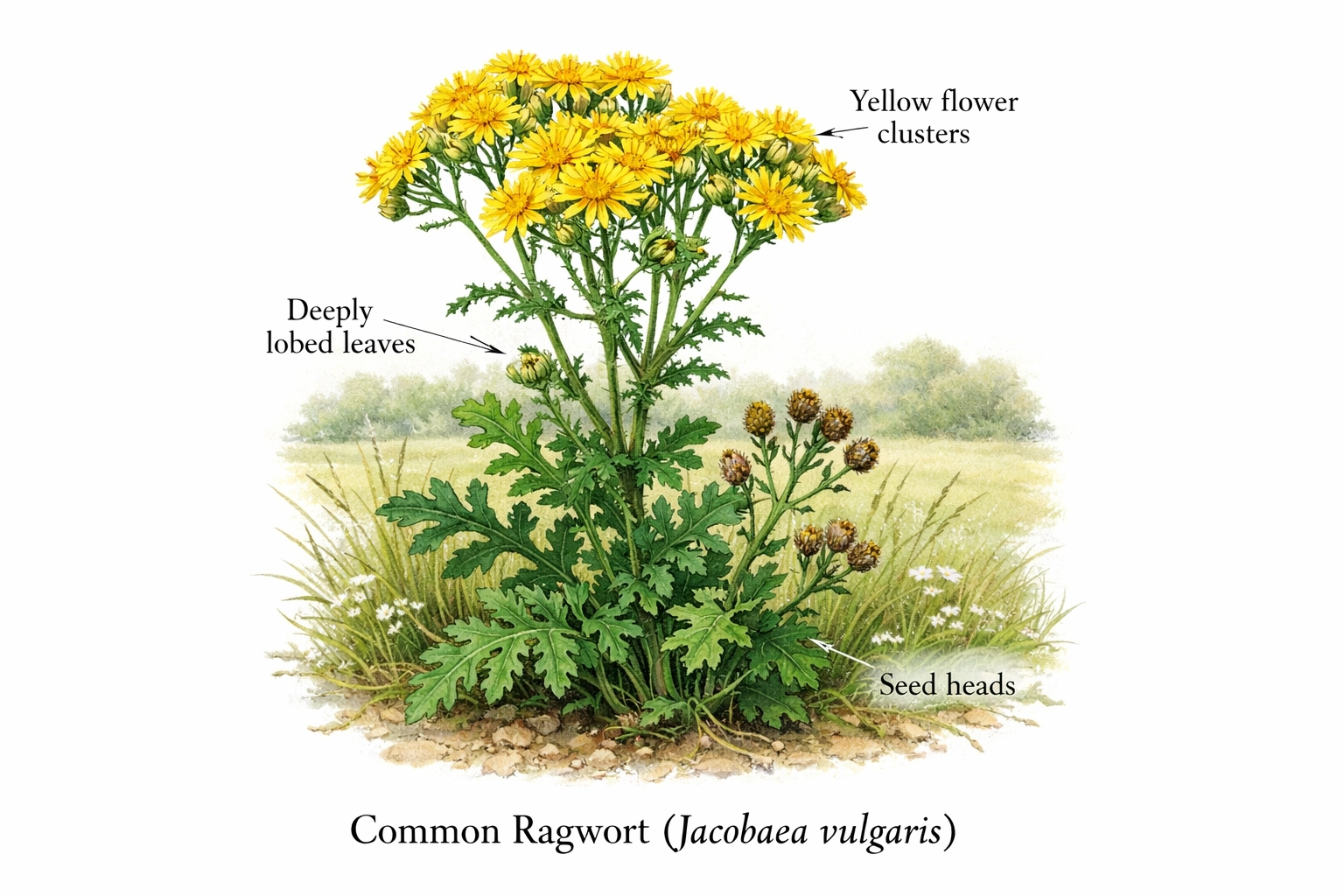
Ragwort damages the liver over time. The tricky part is it can be more palatable when dried in hay/haylage.
- Remove plants (with gloves) before they flower and seed.
- Dispose safely—don’t leave pulled ragwort in the field where horses may eat it.
Bracken fern
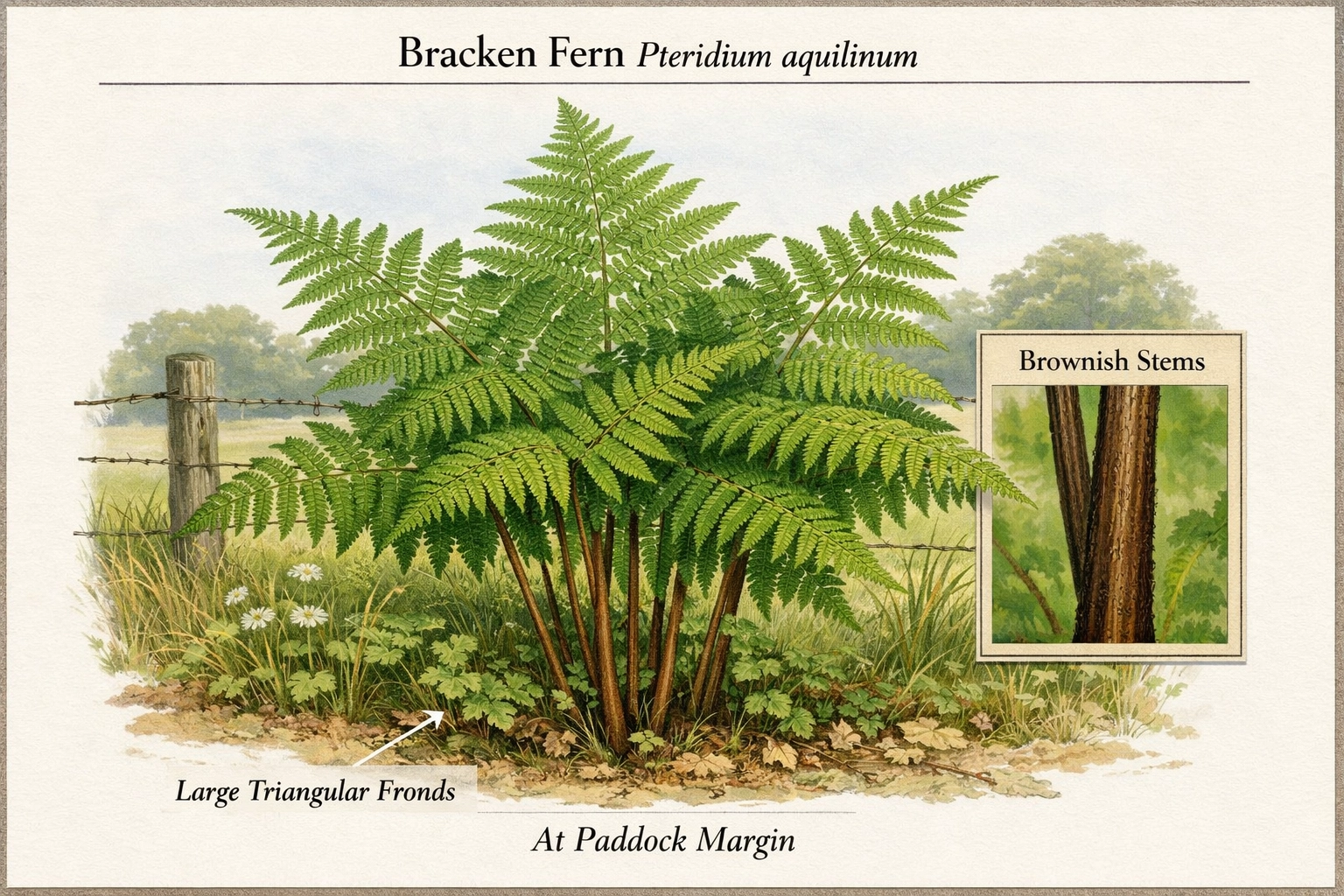
Can be harmful if ingested in significant amounts and may cause neurological and blood-related issues. Don’t let it establish in grazing areas and avoid turnout where bracken is dense.
Oak (acorns, leaves, buds)
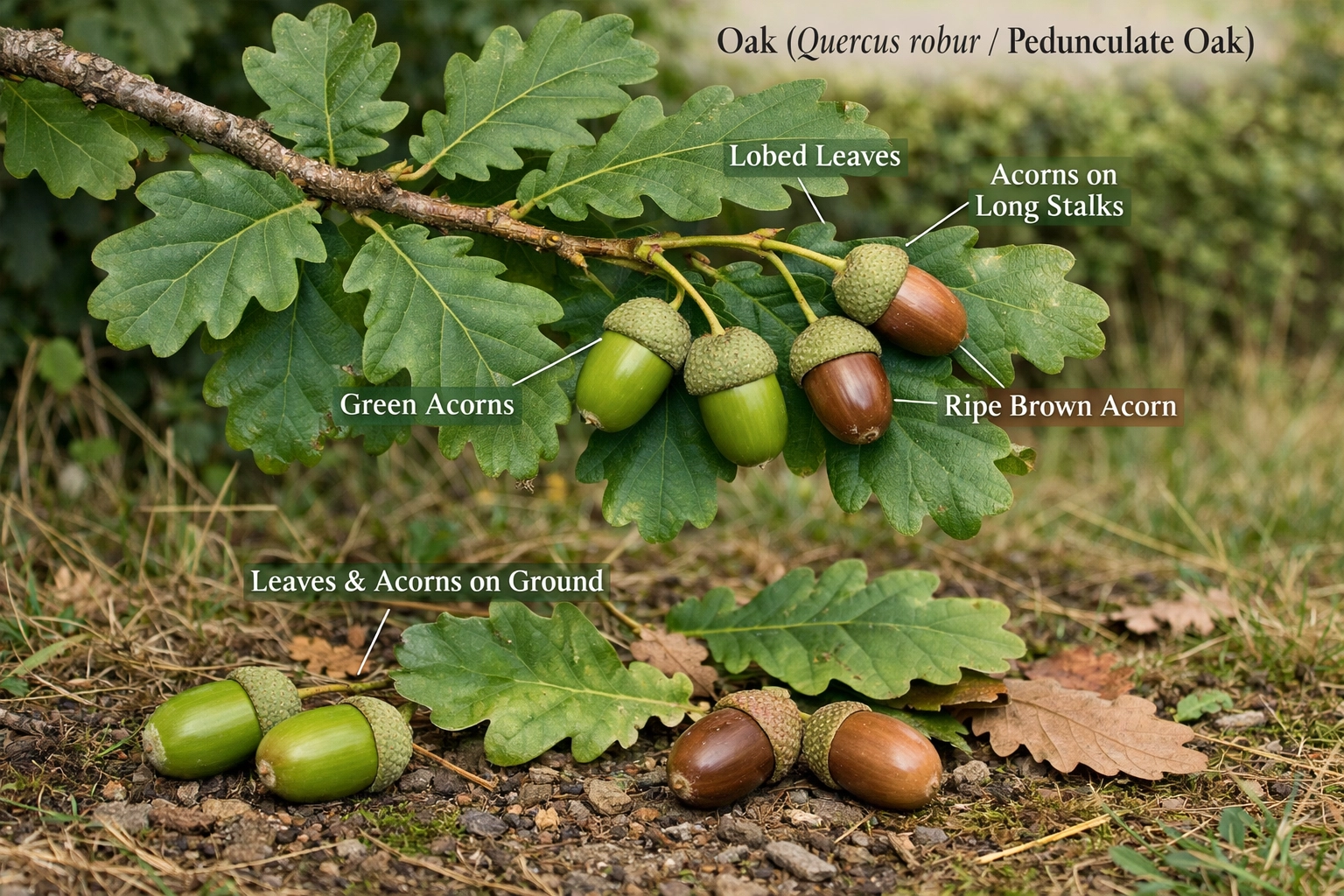
Acorns and young oak leaves can cause poisoning, particularly in autumn—but spring buds/leaves can also be a risk if horses are hungry or grazing is sparse in shaded areas. If you have oak trees in or overhanging fields, be extra cautious.
Foxglove
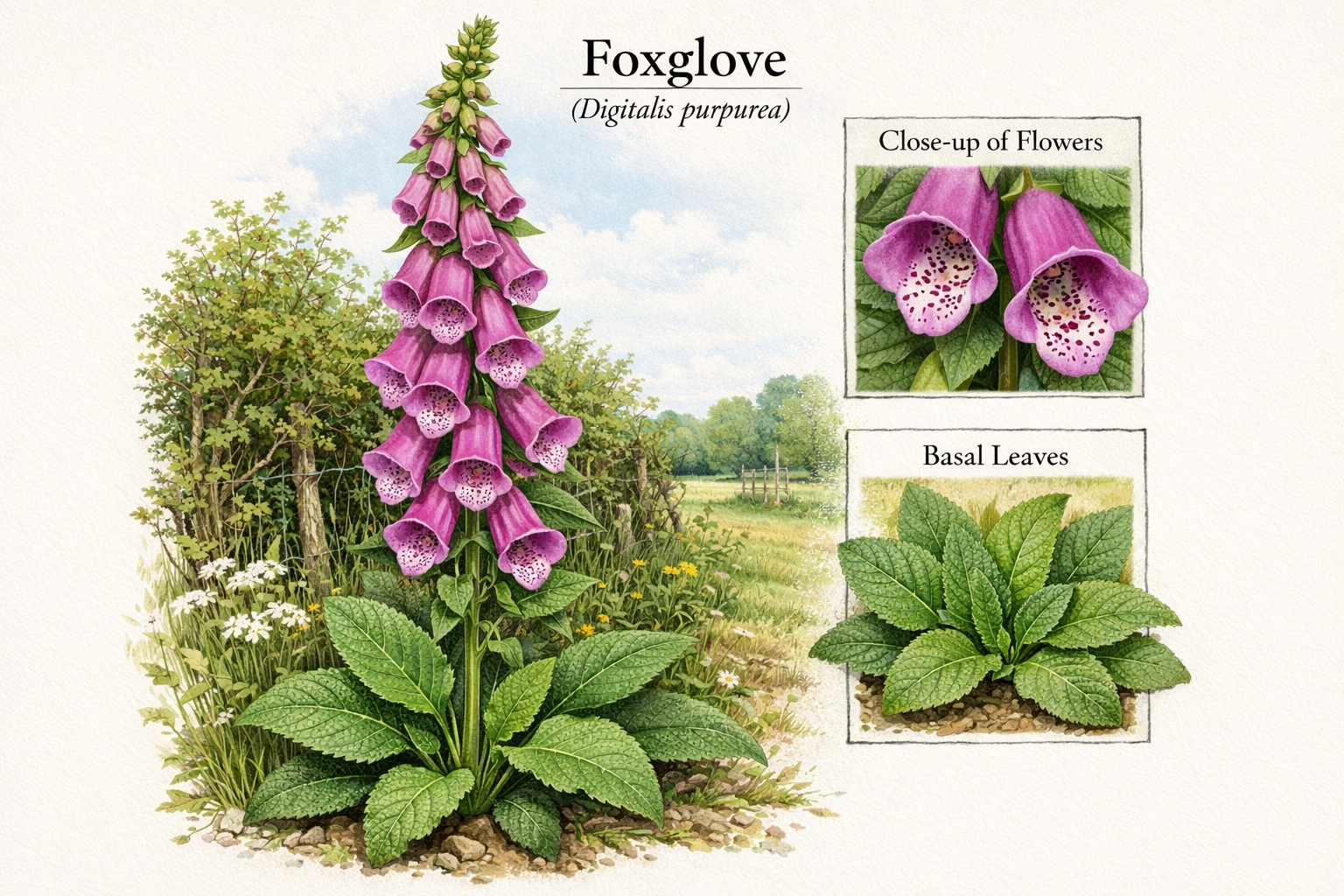
Very toxic (affects the heart). Often grows along hedgerows and in rough corners—exactly the places we all forget to strim.
St John’s Wort
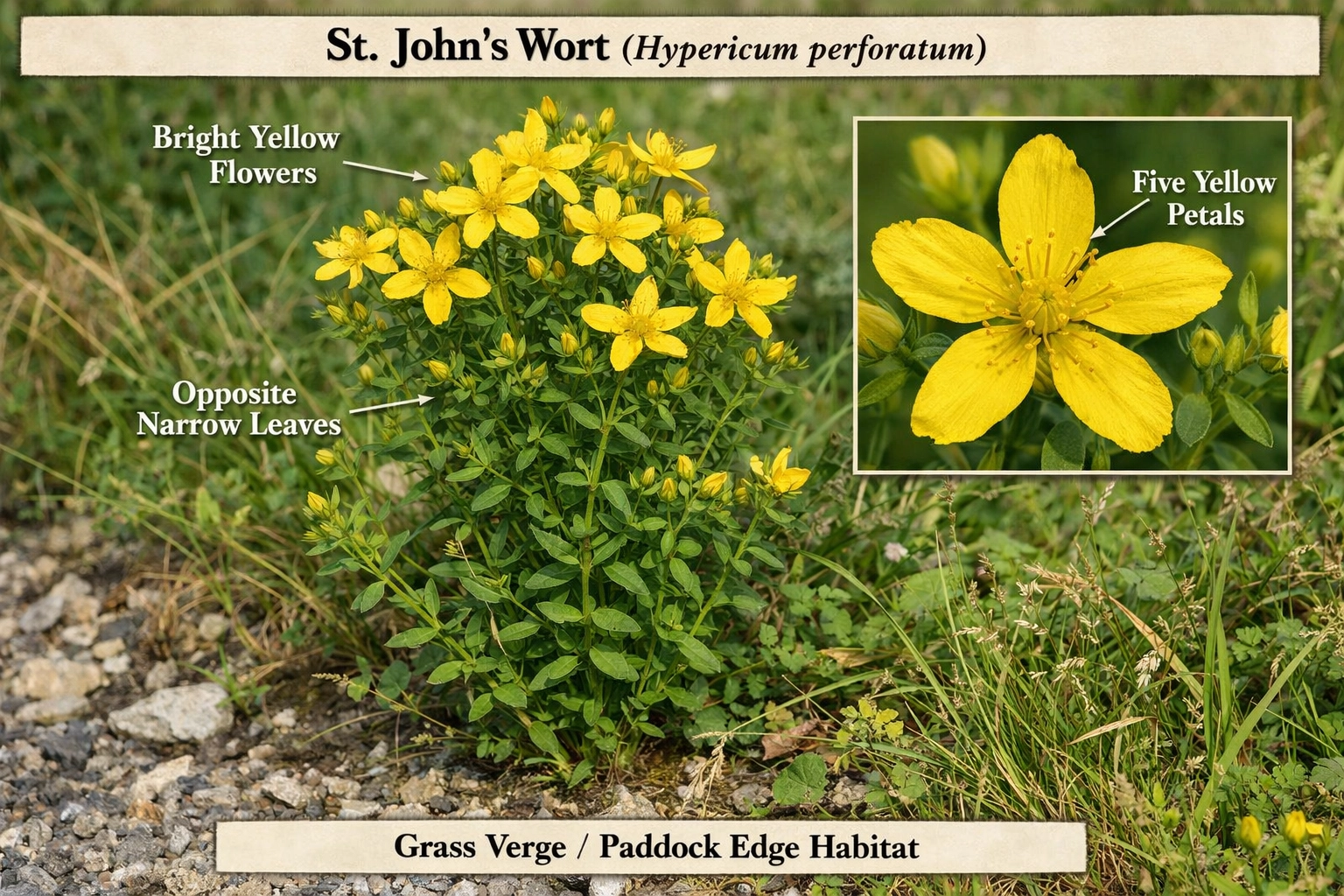
Can cause photosensitisation—light skin areas can burn and blister in sun. Watch for horses developing sore, crusty pink noses or white socks that suddenly look angry.
Important: This is not an exhaustive list, and plant risk varies by region and season. If you suspect plant ingestion, treat it as urgent—call your vet and, if possible, take clear photos of the plant for ID.
9. Pasture Management: The Unsexy Secret Behind a Sound Horse
Pasture management is the behind-the-scenes hero of spring. Done well, it reduces laminitis risk, parasite pressure, and the “why is the field suddenly a buffet?” problem.
Practical moves that actually help
- Track/strip grazing: Limits intake without full-time stabling. Great for good doers.
- Rest and rotate: Allows grass to recover and helps break parasite cycles.
- Remove droppings: Lowers worm burdens and keeps grazing cleaner.
- Control weeds: Ragwort, thistles, and toxic plants love neglected corners.
- Avoid overgrazing: Short, stressed grass can be surprisingly high in sugars and encourages horses to graze closer to soil (and parasites).
Water + shade check (don’t skip this in warmer regions)
As temperatures rise, hydration becomes a performance and colic-prevention issue. Make sure water sources are clean, flowing, and not turning into a warm algae soup by mid-afternoon.

10. Quick Spring Checklist (Print-It-In-Your-Head Edition)
If you want the “no drama” version of spring, run through this list:
- Book vaccinations (tetanus, flu, EHV as advised)
- Schedule dental and a general vet check if needed
- Do a fecal egg count (FEC) and follow a targeted parasite plan
- Start gradual turnout (especially for laminitis-prone horses)
- Add a grazing muzzle/strip grazing plan for easy keepers
- Do a paddock walk: remove/flag ragwort, bracken, oak risks, foxglove, St John’s Wort and check fence lines
- Begin fly/sweet itch prevention before the first rub
- Start tick checks after turnout/hacks in higher-risk areas
- Review water, shade, and shelter
- Keep conditioning sensible: slow build, good recovery routines
And if you’re using leg support through the seasonal change, remember the big comfort factor: EQU StreamZ bands don’t generate heat, so as the weather warms up you can keep that steady 24/7 support without worrying about overheating under wraps.
6. Conditioning: The Slow and Steady Approach
It’s tempting to head out for a two-hour gallop on the first sunny Saturday of the year. Resist the urge. Winter muscles and tendons are likely soft, and rushing the conditioning process is a fast track to injury.
Focus on long-and-low work to build the topline and slow hill work to strengthen the suspensory ligaments. During this phase, recovery is just as important as the work itself. This is the ideal time to utilise magnetic therapy for horses.
While competitors' boots are often restricted to short periods (e.g., 4-12 hours) because they can cause tissue temperature to rise, EQU StreamZ bands can be worn 24/7. This provides a continuous "base layer" of support for the horse's natural healing processes, helping to reduce the inflammation that inevitably occurs during a fitness build-up.

Why the Tech Matters: StreamZ vs. The Rest
As you tick off your spring checklist, you'll likely see plenty of ads for various magnetic products. It’s important to understand what you’re putting on your horse's legs.
Traditional magnets (static magnets) produce a constant pulse. Think of them as a "booster" that pushes blood flow. As Matt often says, they have their place and many owners see great results with them. However, their reliance on heat is their Achilles' heel. If you leave a traditional magnetic boot on for too long: especially in the spring sun: you risk damaging the collagen fibres in the tendons.
EQU StreamZ utilises a unique, non-invasive resonance technology. It doesn't "push" blood; it interacts with the ions within the cells to support the body’s own recovery mechanisms. Because it doesn't create a thermal reaction, there is no time limit. You can put the bands on in March and leave them on until October (checking daily for cleanliness, of course!). Whether your horse is recovering from DDFT injuries or just needs support through the spring flush, consistency is key.
Ready to upgrade your horse's spring recovery kit? Check out the EQU StreamZ range to see how our 24/7 non-thermal bands can help your horse breeze through the season.
The Ultimate Spring Summary
Spring is the time to be proactive rather than reactive. By managing the "Spring Flush" carefully to avoid equine laminitis, keeping a close eye on healthy horse hooves, and addressing horse leg filling with safe, non-thermal technology, you’re setting your horse up for a stellar season.
Layer in the unglamorous (but wildly effective) stuff—vaccinations and preventative care, fecal egg counts, pasture management, a proper plan for insects and sweet itch, and a paddock sweep for UK poisonous plants—and you’ll avoid most of the spring chaos before it starts.
Remember, every horse is an individual. What works for a lean Thoroughbred might not work for a hardy Cob. Always consult your veterinarian if you're concerned about metabolic shifts, colic risk, or lameness.
👉 Articles of interest:
If your horse is recovering from injury, read our complete guide to Rehabilitation & Recovery for Equine Injuries (Repair).Prevention is as important as cure. With this in mind, read our guide to How to Prevent Injuries in Horses (Prevent).
To go beyond prevention and optimise long-term soundness, explore Optimising Performance in Horses (Perfect).
Spring Horse Health: Frequently Asked Questions
What exactly is the "spring flush"?
The "spring flush" is the rapid growth of lush, emerald-green grass that happens as the soil warms up. While it looks great, this grass is packed with sugars (fructans) that can trigger metabolic issues like laminitis if your horse isn't transitioned slowly.
How do I check for a digital pulse?
Lightly press your fingers against the back of the fetlock or the side of the pastern. In a healthy horse, the pulse is faint or hard to find. A strong, "bounding" pulse is often an early warning sign of laminitis and means you should call your vet immediately.
When should I start my sweet itch routine?
The golden rule: start before the midges arrive. Once the "itch-scratch" cycle begins, it's much harder to manage. Start rugging or using fly barriers as soon as the daytime temperatures consistently hit double digits.
Which UK plants are the biggest risk in spring?
Ragwort is the primary concern, but keep an eye out for Bracken Fern, Foxglove, and Oak buds. Always walk your paddock boundaries in the spring to pull up (with gloves!) any newcomers before they seed.
Can I leave EQU StreamZ bands on 24/7 as the weather warms up?
Absolutely. This is our biggest USP. Traditional magnetic boots can generate heat and "cook" tendons if left on too long in the sun. EQU StreamZ uses 360º resonance technology that is completely non-thermal, so your horse stays cool and supported 24/7.
Do EQU StreamZ bands help with spring "stocking up"?
Yes! If your horse's legs look "doughy" after being in the stable, the bands help support natural fluid balance and circulation. Because they don't use heat, you can keep them on in the stable or out in the field.
How do the bands support my horse's new spring fitness programme?
Increasing exercise intensity puts extra stress on joints and soft tissues. Wearing EQU StreamZ 24/7 provides a constant "base layer" of recovery support, helping to manage minor inflammation as your horse gets fit.
Are EQU StreamZ safe for ponies prone to laminitis?
Yes. While they aren't a cure for laminitis, the non-heating magnetic support can be a helpful part of a management plan to support overall comfort and circulation during the recovery phase.
When should I use Coolboots instead of the standard bands?
Coolboots are your go-to for active recovery. Use them immediately after a gallop, jump session, or any intense spring workout to help pull heat out of the legs while providing magnetic support.
Do Coolboots provide the same magnetic benefit as the bands?
Yes, you get the best of both worlds—our advanced magnetic technology combined with cooling properties to help manage leg health and temperature after exercise.